The Enigma of Dark Matter: What Science Knows and Still Can’t Explain
Dark matter remains one of science’s greatest mysteries. Explore what researchers know, what remains elusive, and how uncovering its secrets could reshape our understanding of the universe.

Sophia Bennett
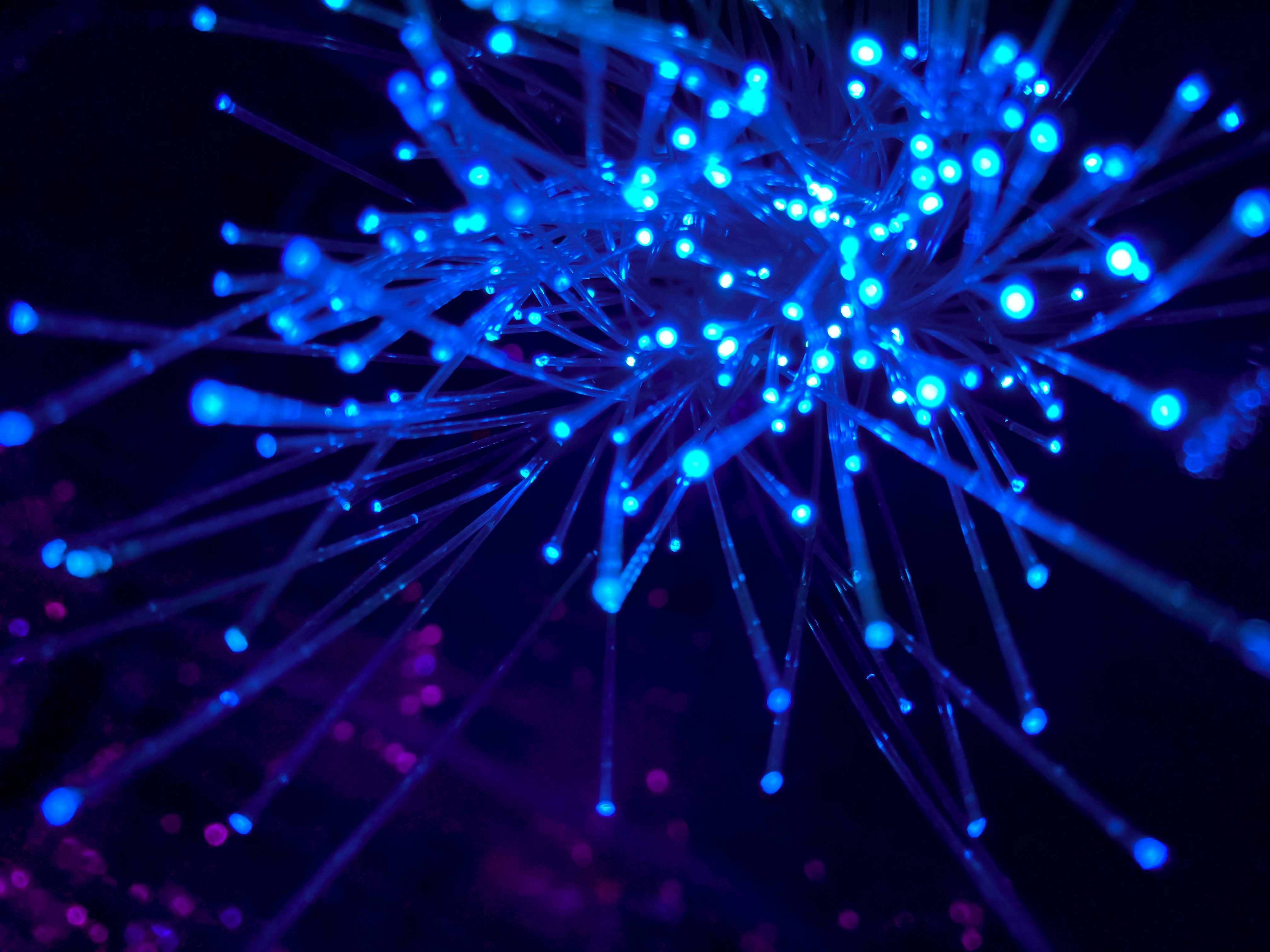
Dark matter constitutes roughly 27% of the universe, yet it cannot be directly observed. Scientists infer its existence through gravitational effects on galaxies and cosmic structures. Despite decades of research, many questions remain about its nature and role in the cosmos.
What We Know About Dark Matter
Gravitational Influence: Dark matter affects galaxy rotation curves and large-scale structures.
Invisible and Non-Interacting: It does not emit, absorb, or reflect light, making it difficult to detect.
Cosmic Abundance: Accounts for a significant portion of the universe’s total mass.
Evidence from Cosmic Microwave Background: Observations support its existence in the early universe.
The Mysteries That Remain
Composition Unknown: Scientists debate whether dark matter consists of WIMPs, axions, or other particles.
Detection Challenges: Current detectors have yet to capture definitive signals.
Role in Structure Formation: Understanding how dark matter shaped galaxies is ongoing research.
Potential Interactions: Could dark matter have subtle interactions with ordinary matter?
Scientific Approaches to Study Dark Matter
Particle Physics Experiments: Underground detectors search for weak interactions.
Astronomical Observations: Gravitational lensing and galaxy mapping reveal dark matter’s influence.
Simulations: Computational models explore dark matter’s role in cosmic evolution.
Conclusion
Dark matter remains an enigmatic and essential component of the universe. While its gravitational effects are evident, uncovering its true nature is a major frontier in modern physics, promising to transform our understanding of the cosmos.
About
DirectOne Intelligence is built on a simple idea: the companies that understand their data — win
Featured Posts





Explore Topics




Related Post

CRISPR and gene editing are revolutionizing healthcare. Explore how these technologies are treating genetic disorders, advancing personalized medicine, and shaping the future of medical science.

Quantum biology explores how quantum mechanics affects living systems. Discover how phenomena like superposition and entanglement may revolutionize our understanding of life and biological processes.

Scientists are exploring Mars and exoplanets for signs of life. Discover current missions, discoveries, and the challenges in detecting life beyond Earth in our solar system and beyond.

Black holes challenge our understanding of space-time. Explore how these cosmic phenomena bend physics, warp reality, and reveal profound secrets about the universe’s structure.